Life Quest Training and Consulting offers tools for architects and engineers to become optimally effective in providing an accessible and inclusive experience to all people. It was developed in response to the growing recognition that people with disabilities make up the fastest-growing minority population in the world and greater access for them equals greater equity and inclusion for all.
Course List
Courses can be purchased separately or as a package. Each class provides between .5 and 2 AIA credits.

2010 Standards for Accessible Design:
Chapter 3: Building Blocks
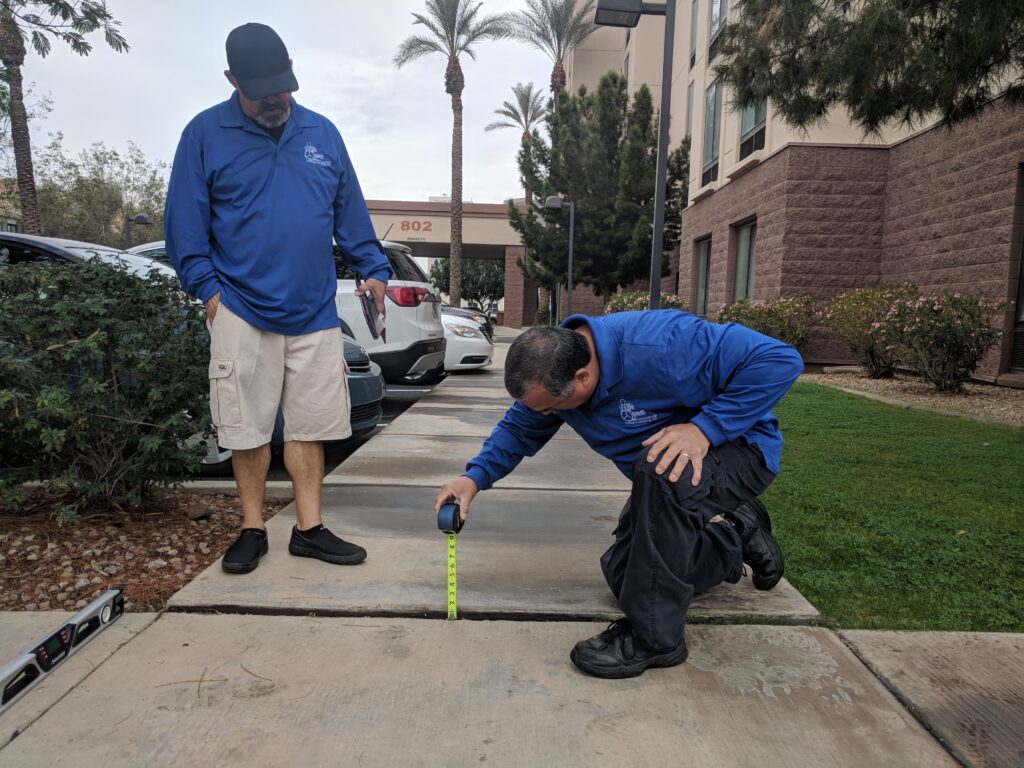
Floor & Ground Surfaces-Changes in Level
Clear Floor Space
Knee & Toe Clearance
Protruding Objects…Why It Matters
Operable Parts & the Closed-Fist Test
2010 Standards for Accessible Design:
Chapter 5: General Site & Building Elements
Accessible Parking – Best Practices
Accessible Passenger Loading Zones
Stairs and Ramps
Protrusions
2010 Standards for Accessible Design:
Chapter 7: Communication Elements & Features
The Significance of Signage
Telephones & TTY’s
Detectable Warnings
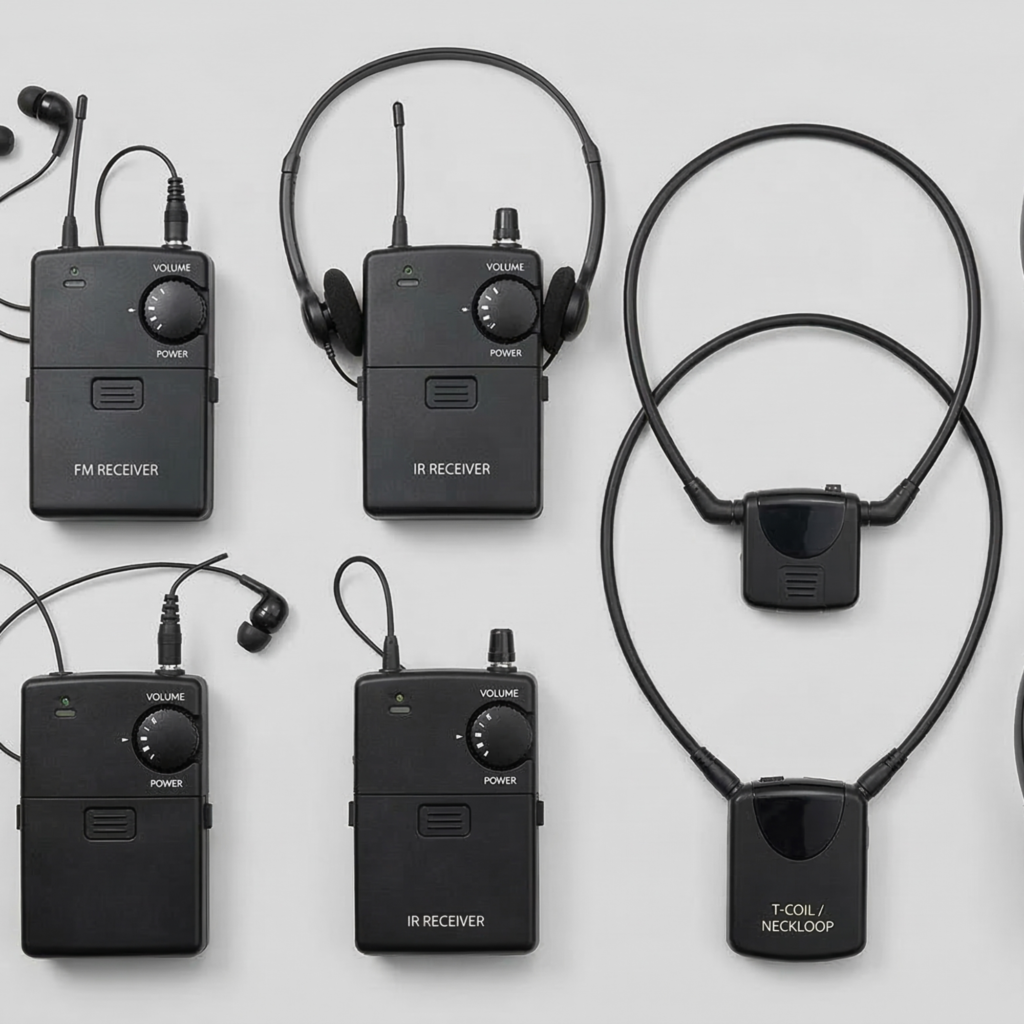
Assistive Listening Systems

2010 Standards for Accessible Design:
Chapter 9: Built-in Elements
Dining & Work Surfaces
Sales & Service Counters
Teller & Service Windows
Food Service Lines
Benches

2010 Standards for Accessible Design:
Chapter 4: Accessible Paths
Best Practices for Accessible Routes
Doors & Gates
Runs and Ramps
Curb Ramps
Accessible Parking
2010 Standards for Accessible Design:
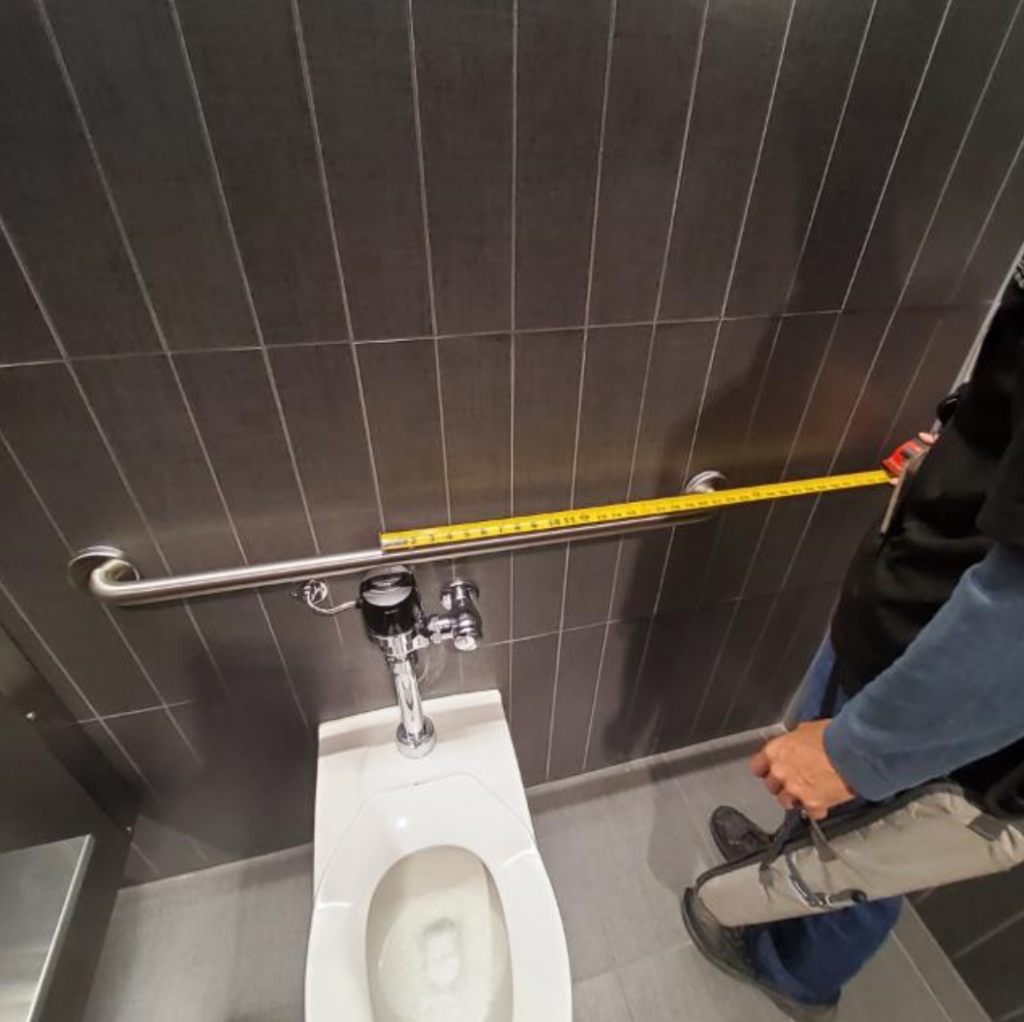
Chapter 6: Plumbing Elements & Spaces (Bathrooms)
Single-User Restrooms
Best Practices in Stall Placement & Amenities
Adult Changing Stations
Designs that Make a Difference
2010 Standards for Accessible Design:
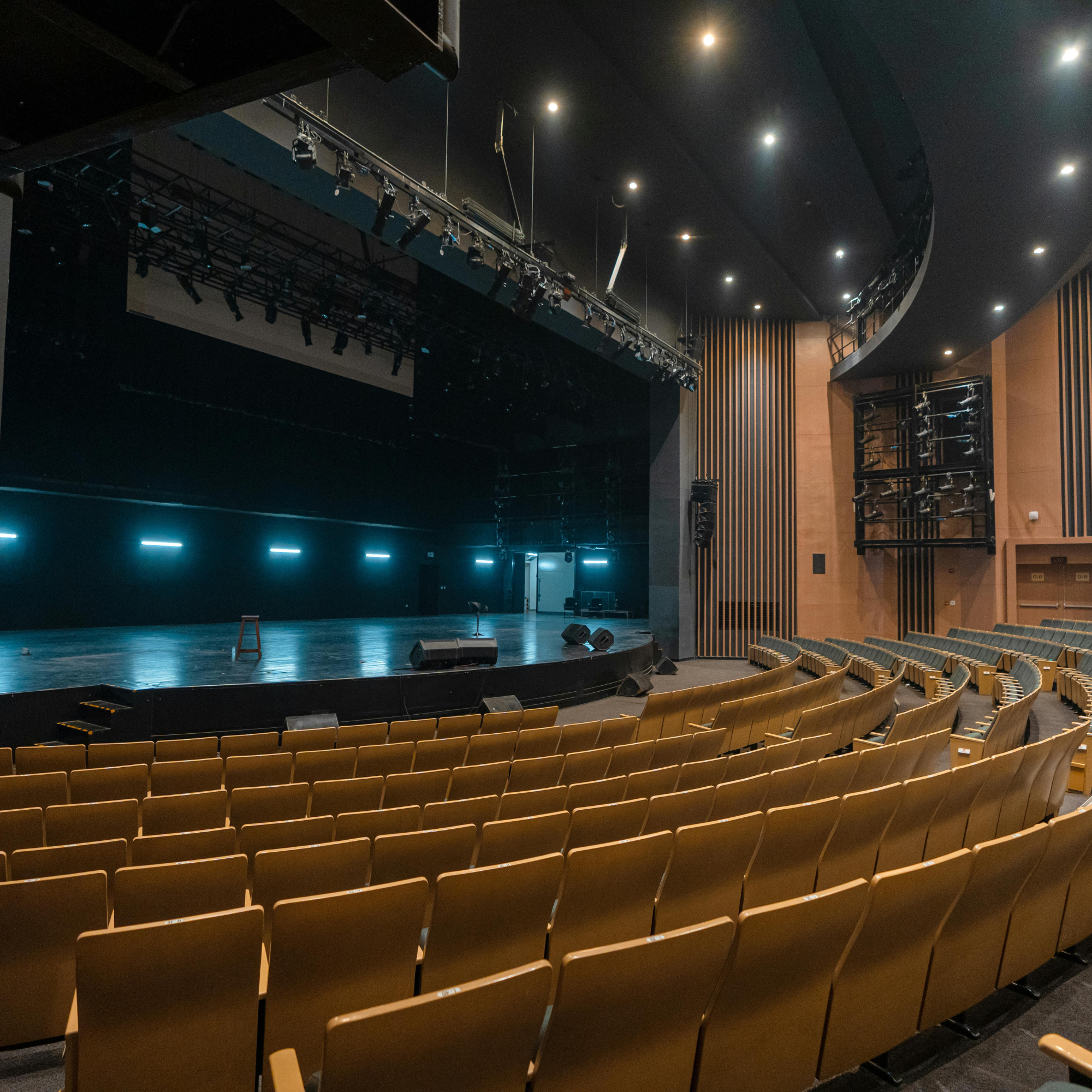
Chapter 8: Special Rooms, Spaces and Elements
The Significance of Signage
Telephones & TTY’s
Calculating Seating Dispersion
Transient Lodging Guest Rooms

2010 Standards for Accessible Design:
Chapter 10: Recreation Facilities
Play Areas
Sports Facilities
Swimming Pools, Wading Pools and Spas
Outdoor Developed Areas